- 2
- 3
- 4
-
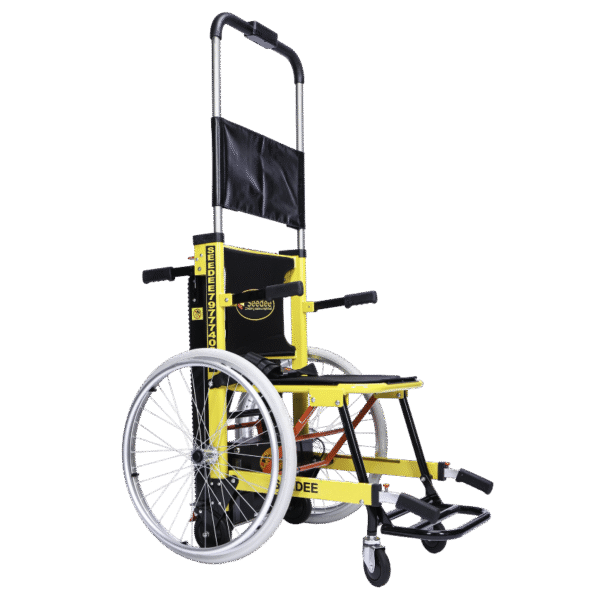
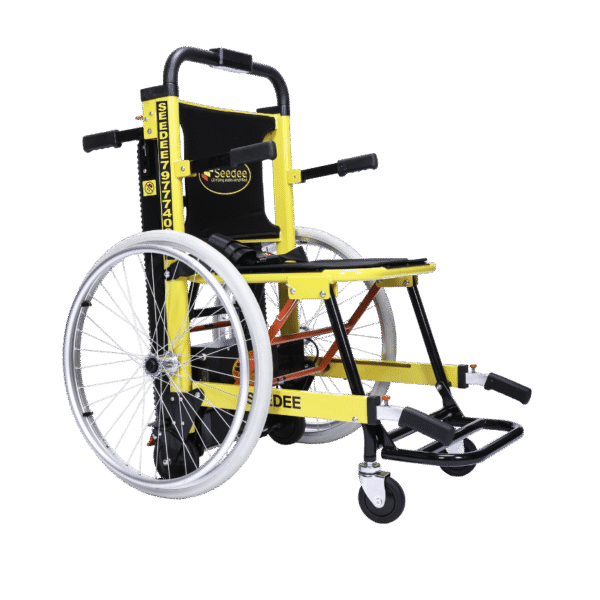
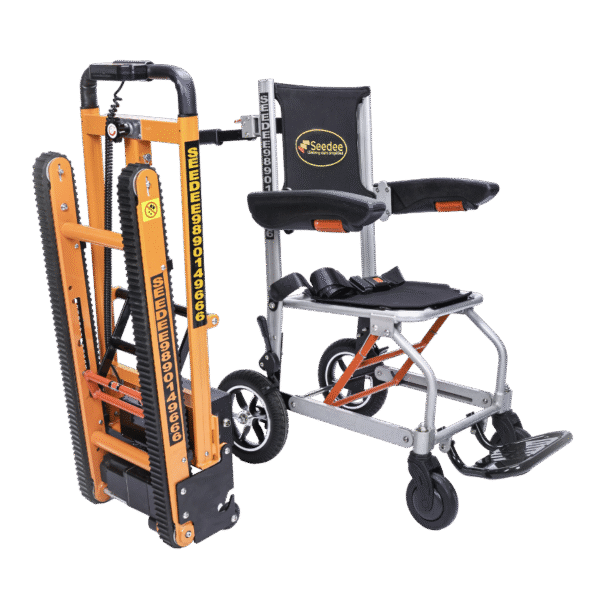
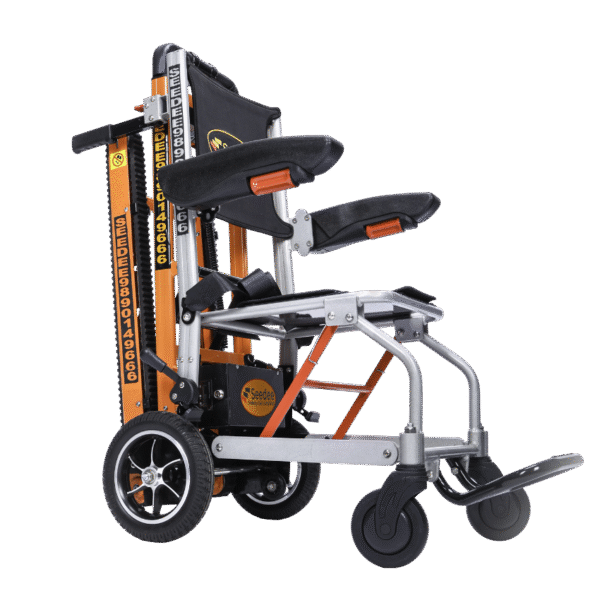
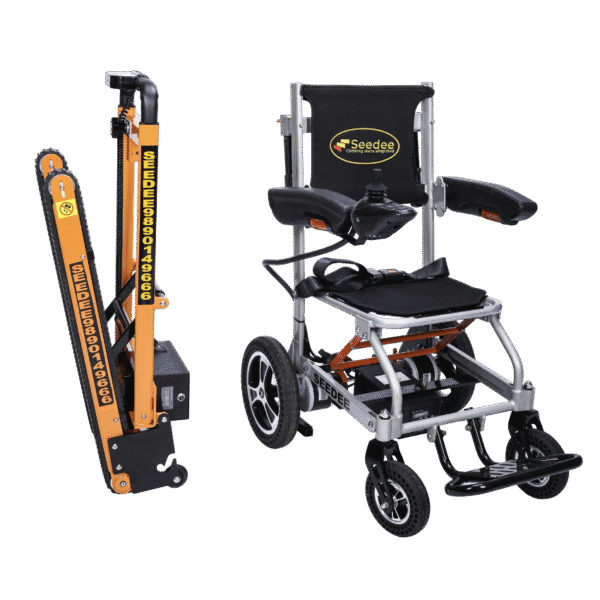
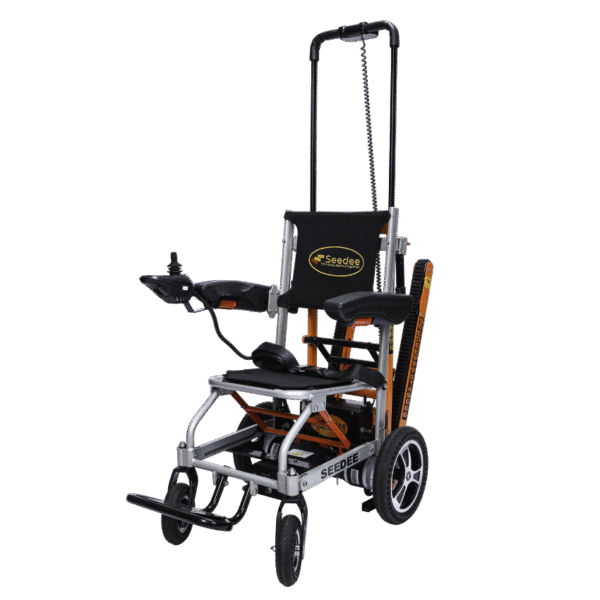
Seedee Attach Wheels – electric powered stair climbing wheelchair, 24 inch wheels attachment
Rated 0 out of 5₹1,36,000.00Original price was: ₹1,36,000.00.₹1,20,000.00Current price is: ₹1,20,000.00.-12% OFF -
Neck Pillow
Rated 0 out of 5 -
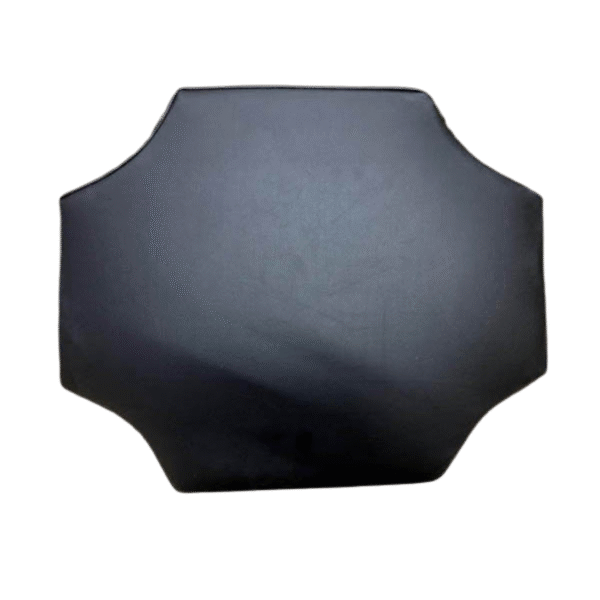
Cushion Seat
Rated 0 out of 5
Seedee Evac – Fire evacuation chair for stairs
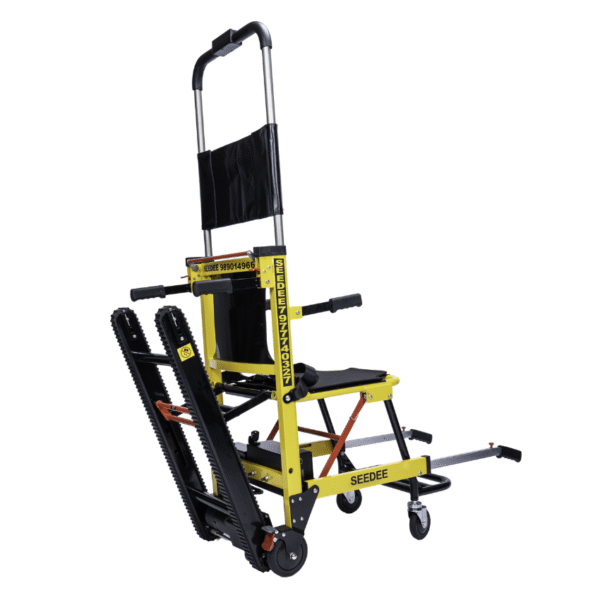
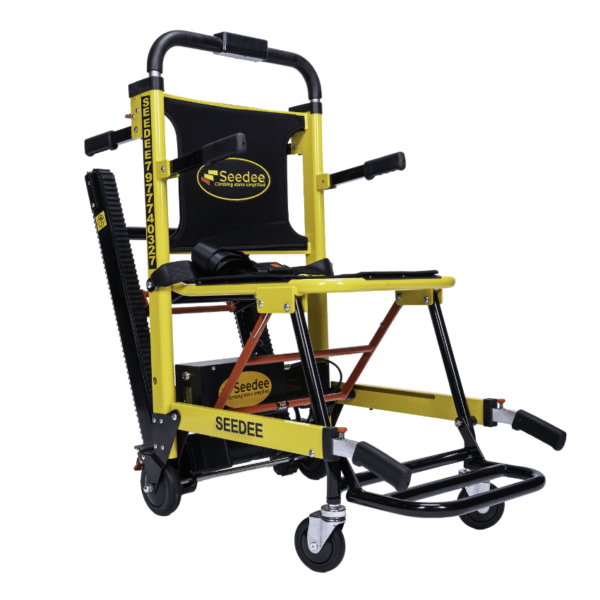
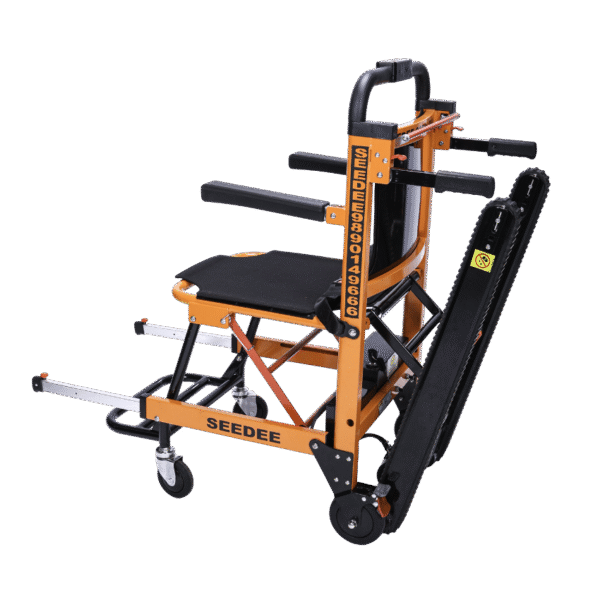
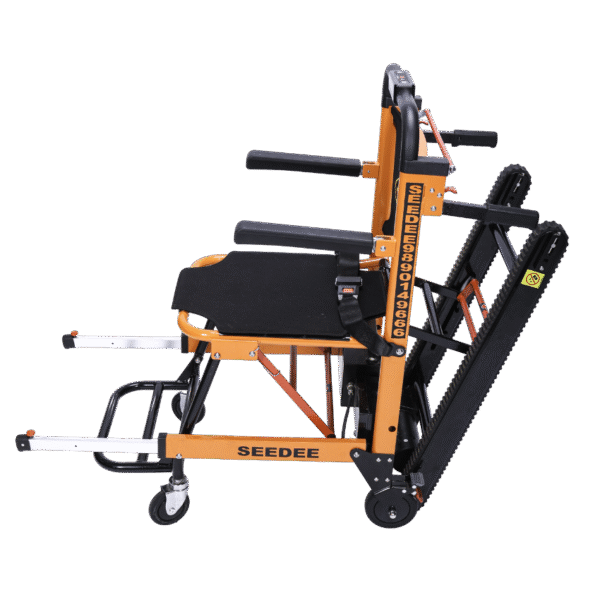
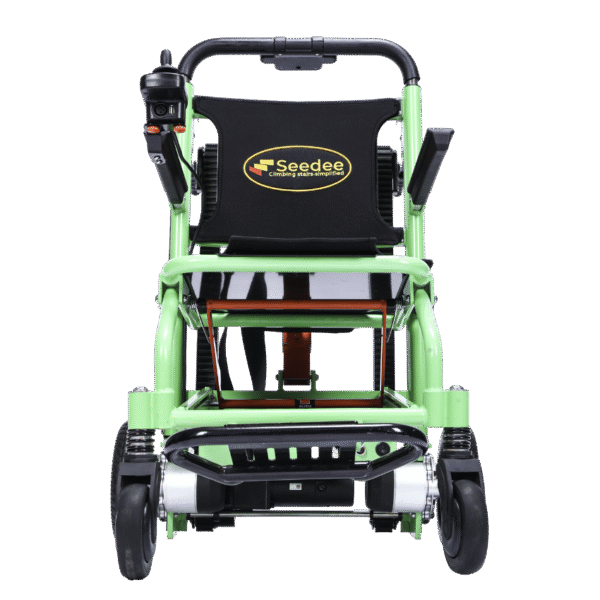
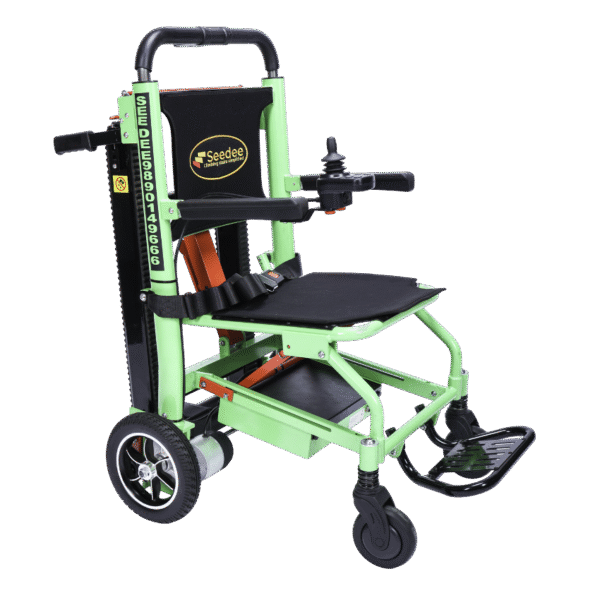
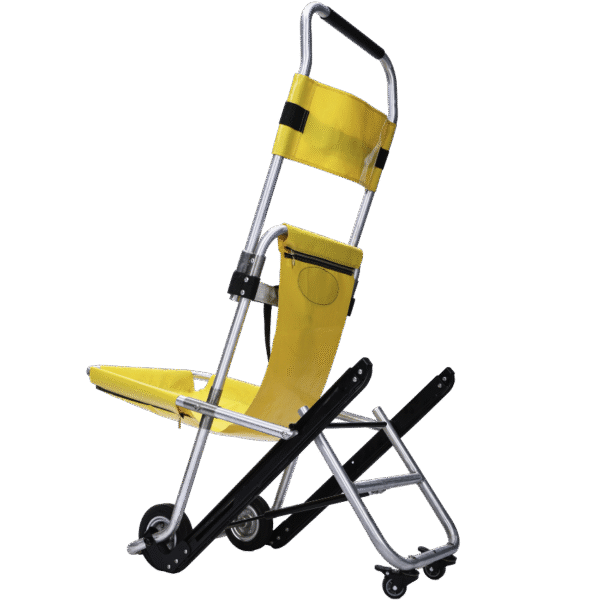
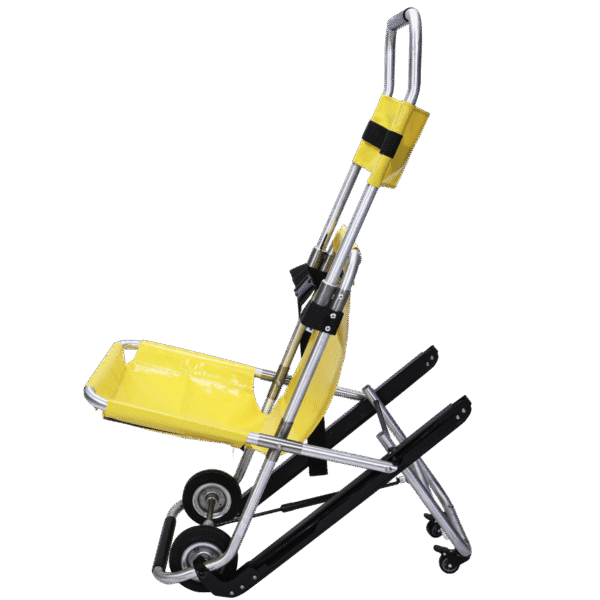
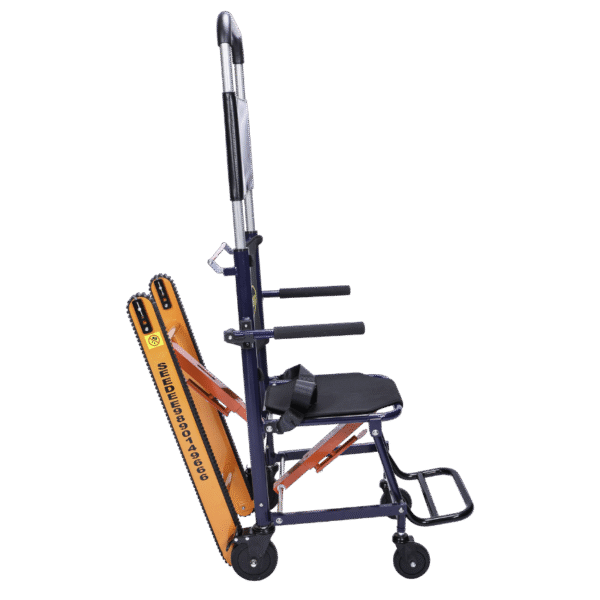
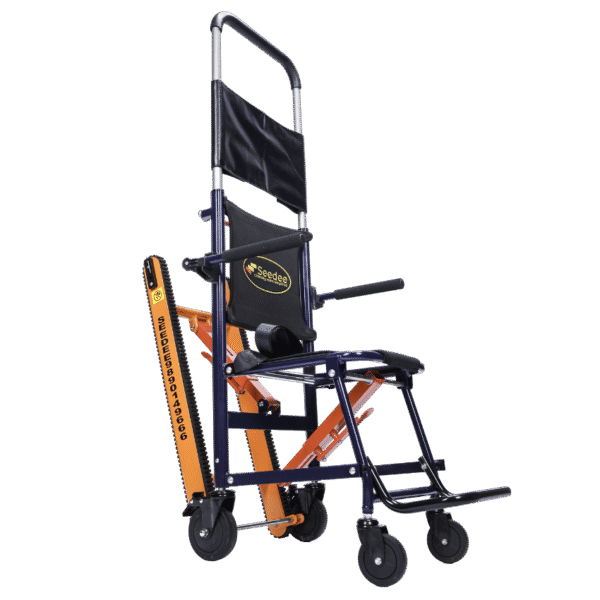
Seedee Evac is a lightweight emergency evacuation wheelchair designed to help attendants move people with limited mobility down stairs during fire emergencies and other building evacuations. When elevators cannot be used, an evacuation chair for stairs provides a practical solution for assisting individuals who cannot safely descend stairs independently. Seedee Evac is manually operated and designed specifically for stair descent, while it can also be manually pushed on level ground by an attendant. It is suitable for offices, schools, hospitals, residential buildings, commercial facilities, and other multi-story environments.
Fire evacuation chair for emergency stair evacuation
During a fire or other emergency, stairs may become the primary evacuation route when elevators are unavailable. Moving a person with limited mobility down stairs without appropriate equipment can be difficult for both the individual and the person assisting them. The Seedee Evac fire evacuation chair provides a practical way for a trained attendant to assist a user during emergency stair evacuation.
Its lightweight construction makes the chair practical to handle and store for emergency use. The Seedee Evac is designed for manual stair descent and does not require a battery or motor, making it ready for use without electrical charging.
Key features of the Seedee emergency wheelchair:
- Designed for emergency stair descent
- Suitable as a fire evacuation chair
- Lightweight 9 kg net weight with a maximum user load of 125 kg
- Manual operation with no battery or motor required
- Can be manually pushed on flat surfaces
- Suitable for multi-story buildings
The Seedee Evac is an emergency evacuation chair for stairs, designed for situations where a person with limited mobility needs assistance descending a staircase. Unlike powered stair-climbing wheelchairs intended for regular mobility, the Seedee Evac is specifically designed for emergency evacuation and manual stair descent.
| SPECIFICATIONS | SEEDEE ATTACH WHEEL | SEEDEE BIG WHEEL | SEEDEE REGULAR | SEEDEE SUPER |
| Cost | 120,000 | 115,000 | 110,000 | 164,000 |
| Type of stair climbing | Battery operated | Battery operated | Battery operated | Battery operated |
| Netweight /gross weight (kg) | 40 / 51 | 33 /47 | 30/45 | 47/56 |
| Battery voltage (V) | 24 | 24 | 24 | 24 |
| Stair climber motor (W) | 120 | 120 | 120 | 120 |
| Max load (kg) | 125 | 125 | 125 | 125 |
| Motor out put voltage (V) | 20-29.4 | 20-29.4 | 20-29.4 | 20-29.4 |
| Battery charging voltate (V) | 110-240 | 110-240 | 110-240 | 110-240 |
How does the Seedee Evac evacuation chair work?
The Seedee Evac is manually operated by an attendant. During an emergency, the user is secured in the chair before the trained attendant guides the chair down the staircase. The chair is designed for descending stairs only.
On level surfaces, the Seedee Evac can be manually pushed by an attendant. Organizations should incorporate the chair into their emergency evacuation procedures and ensure designated personnel understand how to operate it before an emergency occurs.
Fire evacuation chair for schools, offices & public buildings
A fire evacuation chair is an essential emergency mobility solution for helping people with limited mobility safely evacuate from upper floors when elevators are unavailable. The Seedee Evac is suitable for a wide range of settings, including homes, schools, hospitals, clinics, offices, malls, factories, hotels and resorts, temples and other places of worship, residential buildings, and other multi-story facilities.
Designed for assisted stair descent, it enables trained staff or designated personnel to help individuals who may be unable to use stairs independently during a fire or other emergency. The Seedee Evac can also be incorporated into a building’s emergency evacuation plan to support a more prepared and accessible response when stair evacuation is required.
Why choose Seedee Evac as a fire evacuation chair?
An emergency evacuation chair should be practical, lightweight, and suitable for the building’s evacuation requirements. The Seedee Evac provides a manual solution for assisting people down stairs during emergencies without depending on batteries, motors, or electrical charging.
With a 9 kg net weight and a maximum user load of 125 kg, it is designed to be practical for emergency preparedness in multi-story buildings. Organizations can incorporate it into their evacuation plans alongside designated evacuation routes, trained personnel, emergency procedures, and regular evacuation drills.
Frequently asked questions about fire & emergency wheelchairs
1. What should be included in an emergency wheelchair evacuation plan?
An emergency wheelchair evacuation plan should identify people who may need assistance, establish accessible evacuation procedures, assign responsible personnel, identify suitable evacuation equipment, and define how assistance will be provided during an emergency. The plan should also account for alternative escape routes if the primary route becomes inaccessible and should be reviewed regularly with staff.
2. How can wheelchair users evacuate a building during a fire?
Wheelchair users may require an assisted evacuation procedure when elevators cannot be used during a fire. Depending on the building and evacuation strategy, trained personnel may transfer the individual to an appropriate fire evacuation wheelchair or evacuation chair and assist them along the designated emergency route. The procedure should be planned in advance rather than improvised during an emergency.
3. What is the best emergency wheelchair for a commercial building?
The best emergency wheelchair for a commercial building depends on the building’s evacuation requirements, number of occupants, staircase configuration, potential users, storage arrangements, and trained personnel. Facility managers should evaluate the equipment as part of the overall emergency plan rather than selecting a model based solely on its appearance or price.
4. How should businesses prepare for evacuating wheelchair users?
Businesses should identify employees, visitors, or other occupants who may require evacuation assistance and establish a clear procedure for providing that assistance. They should also designate trained personnel, keep emergency equipment accessible, communicate evacuation responsibilities to relevant staff, and periodically review the procedure through emergency drills.
5. Can an emergency wheelchair be kept as backup evacuation equipment?
Yes. An emergency wheelchair can be maintained as part of a building’s backup emergency equipment, particularly where occupants may require assisted evacuation. However, simply storing the equipment is not enough. Facilities should ensure that designated personnel know where it is located, understand its intended use, and can access it without obstructing emergency escape routes.
6. Should every floor of a building have emergency wheelchair equipment?
Not necessarily. The number and placement of emergency wheelchair or evacuation equipment should depend on the building layout, evacuation routes, staircase locations, occupancy, and the number of people who may require assistance. Large or complex buildings may need more than one strategically located unit, while smaller facilities may have different requirements.
7. How often should emergency wheelchair evacuation procedures be reviewed?
Emergency evacuation procedures should be reviewed whenever there are significant changes to the building, occupancy, evacuation routes, staff responsibilities, or emergency equipment. Regular reviews and practical drills can also help identify difficulties that may not be obvious from a written evacuation plan.
8. How can hotels make emergency evacuation accessible for wheelchair users?
Hotels can improve accessible emergency preparedness by identifying evacuation routes that can accommodate people requiring assistance, establishing procedures for wheelchair users, training relevant staff, keeping appropriate emergency equipment accessible, and communicating responsibilities across departments. Guest-facing emergency procedures should also account for visitors who may have mobility limitations.
9. Do apartment and residential buildings need emergency wheelchair planning?
Residential buildings should consider how residents with mobility limitations can evacuate safely, particularly in multi-story properties where elevators may not be available during emergencies. Apartment associations, property managers, and building owners can incorporate assisted evacuation procedures and appropriate equipment into their broader emergency preparedness planning.
10. What information should be checked before ordering an emergency wheelchair online in India?
Before ordering an emergency wheelchair online in India, buyers should verify the product’s intended use, stair capability, user capacity, dimensions, operating requirements, manufacturer instructions, warranty, delivery terms, after-sales support, and suitability for the building’s evacuation route. It is also important to confirm that the equipment matches the actual needs of the intended users.