
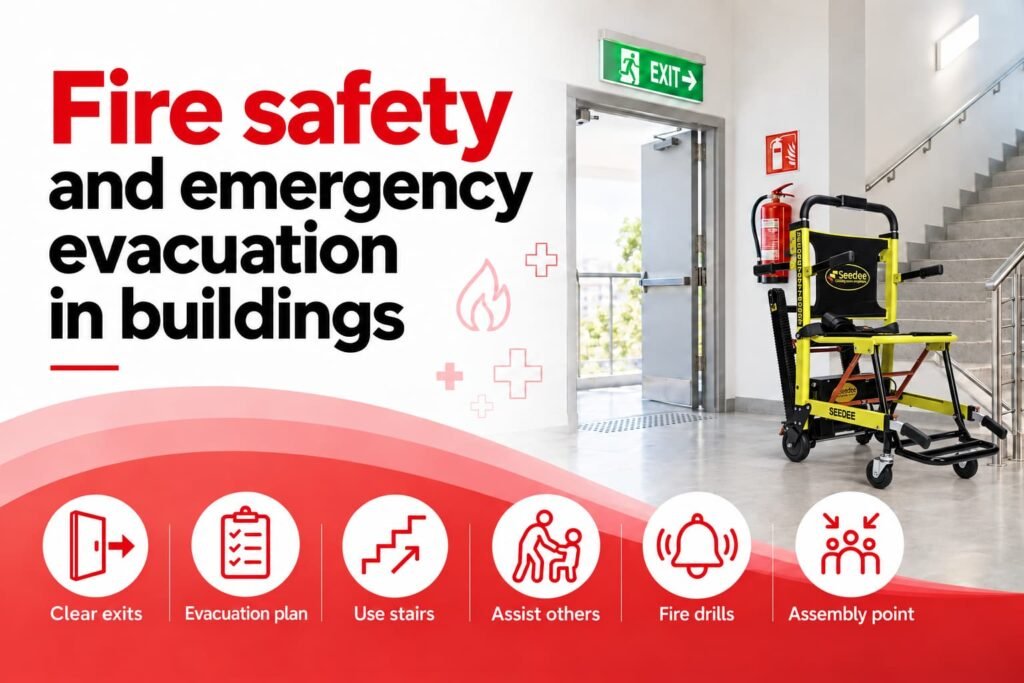
A fire emergency leaves very little time to think.
People may not know which exit to use. Corridors may fill with smoke. Lifts may stop working. Children, older people, people with disabilities and anyone unfamiliar with the building may need additional help.
This is why fire safety cannot begin after a fire starts. Every residential society, office, school, hospital, and public building needs a clear evacuation plan that people understand before an emergency occurs.
Keep exits and stairways clear at all times
An emergency exit is useful only when people can reach and use it.
Stairways, corridors and exit doors should never be blocked by cartons, furniture, bicycles, plant pots or other items. Fire doors should remain accessible, and emergency signs should be easy to see.
Building managers should regularly check that alarms, emergency lights and fire-safety equipment are working. The National Building Code of India contains detailed requirements for fire and life safety in different types of buildings.

Every building should have a simple evacuation plan
The plan should clearly explain:
- How people will be alerted
- Which exits and stairways they should use
- Where they should gather outside
- Who will call the fire service
- Who will check whether everyone has left
- Who will assist anyone who may need help
The plan should be displayed where residents, employees and visitors can see it. Emergency contact numbers should also be easy to find.
Most importantly, the plan should be practised. Regular fire drills help people remember what to do and can reveal blocked routes, faulty alarms or unclear responsibilities before a real emergency occurs.
Use the stairs and not the lift during a fire
The Delhi Fire Service advises people to leave through the nearest available exit and not use a lift as a means of escape.
A lift may stop because of a power failure or open on a floor affected by fire or smoke. Unless a building has a specially designed fire evacuation lift and trained authorities instruct people to use it, the normal lifts should be avoided.
People should leave calmly, follow the marked route and go directly to the designated assembly point. No one should return to collect a phone, bag or another personal belonging.
Plan separately for people who may need assistance
A general instruction to “use the stairs” is not enough for everyone.
A wheelchair user, an older person, someone recovering from surgery or a person who finds it difficult to walk may need assistance. Children and people with visual, hearing or cognitive disabilities may also require a different kind of support.
The building should identify these needs in advance. It should decide who will assist each person, which route will be used and what equipment may be required. Backup helpers should also be assigned in case the main person is unavailable.
The Government of India’s Harmonised Guidelines for a barrier-free environment recommend clearly marked evacuation routes and refuge areas for people who may not be able to leave the building without assistance.


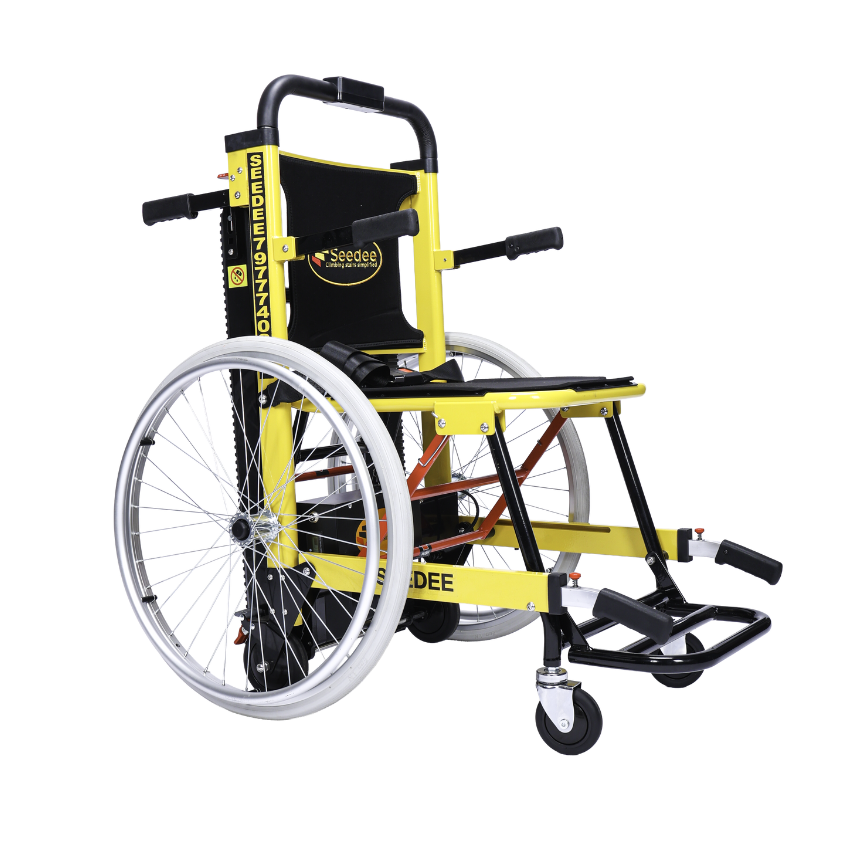

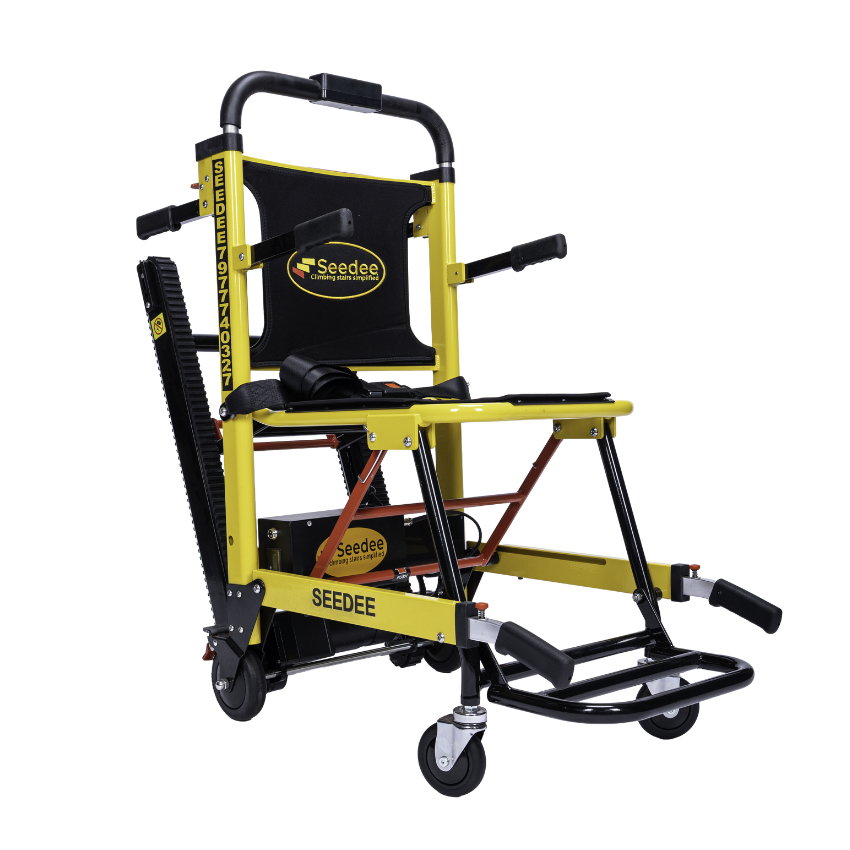
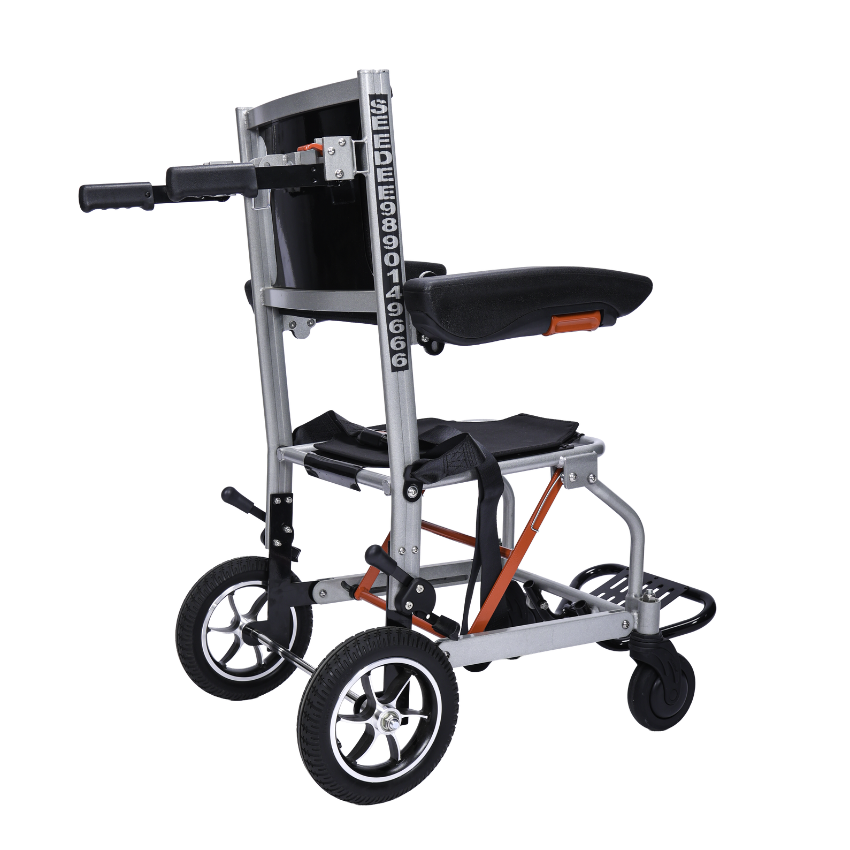
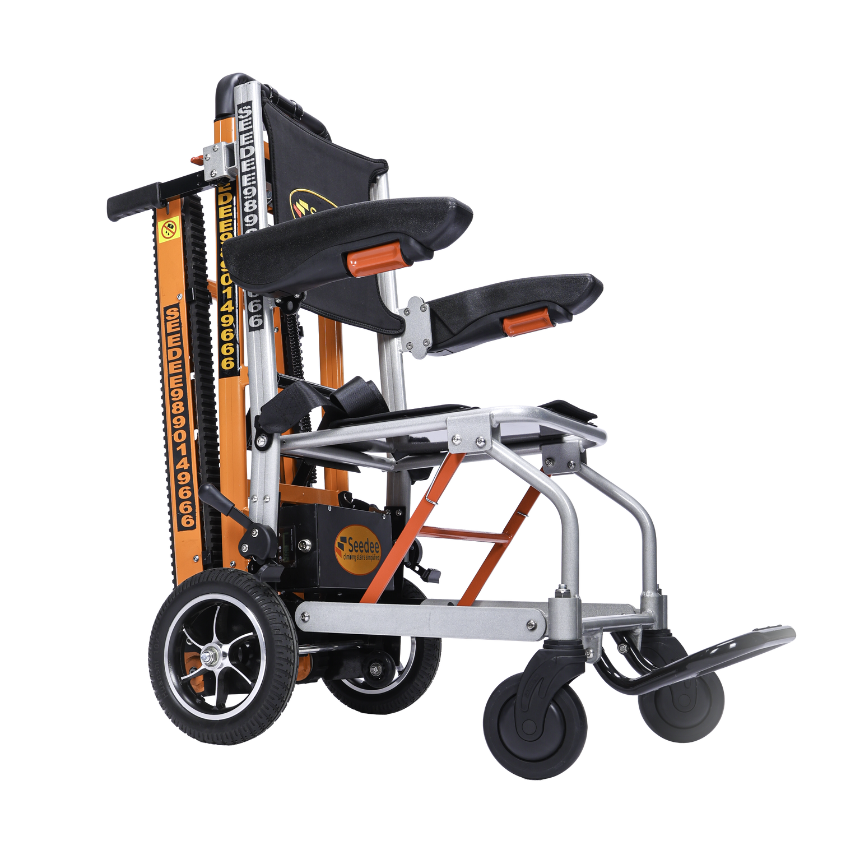
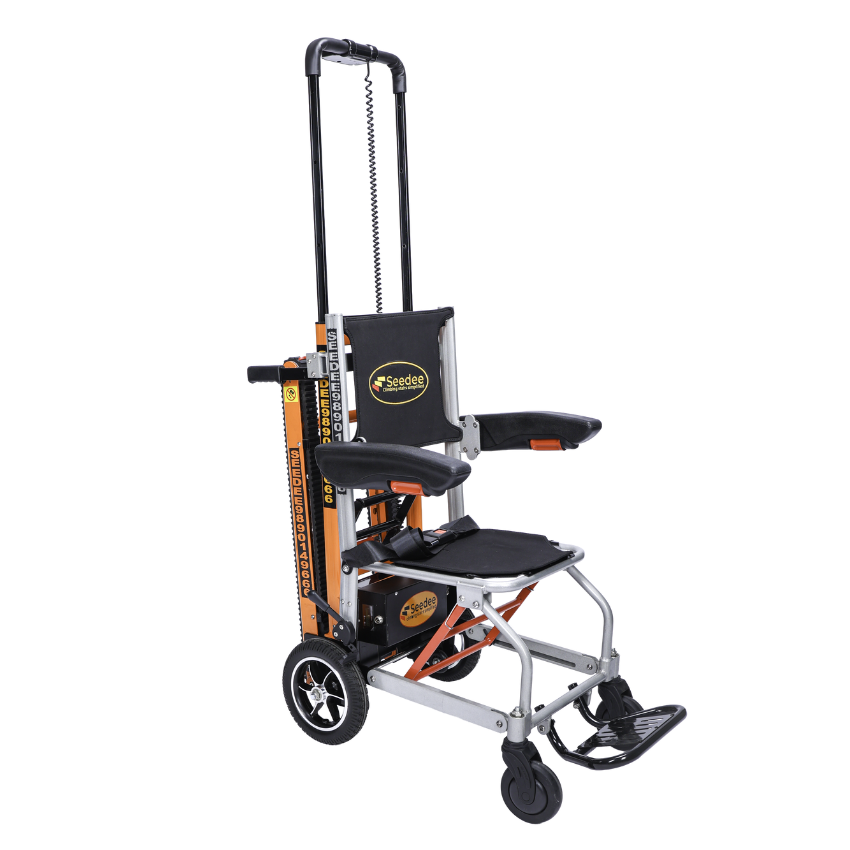
Do not improvise how a wheelchair user will be moved
Trying to carry a person in a regular wheelchair down the stairs can put both the wheelchair user and the people assisting them at risk.
If a building has wheelchair users or other people who may not be able to use the stairs, suitable evacuation equipment should be planned for in advance. This may include an evacuation chair or a wheelchair designed for stairs, depending on the building and the people who may need it.
The equipment should be kept in an accessible place, and the people responsible for using it must be trained. It should also be included in fire drills. Simply purchasing the equipment and storing it away is not enough.
In India, Seedee stair climbing wheelchairs have been trusted as wheelchairs for stairs in homes, hospitals, schools, offices and other buildings across India.
Know what to do when the alarm sounds
If you discover a fire, raise the alarm and call the fire service on 101 or the national emergency number 112.
Use a fire extinguisher only if the fire is small, you have been trained and you can do so without putting yourself at risk. Otherwise, leave immediately.
During evacuation:
- Use the nearest safe exit
- Do not use a regular lift
- Do not push or run
- Assist others according to the evacuation plan
- Close doors behind you if it is safe to do so
- Go to the assembly point
- Do not re-enter until the authorities say it is safe
The person responsible for the assembly point should check whether anyone is missing and inform the fire service. No one should go back inside to search on their own.
A safe evacuation depends on preparation
Fire extinguishers, alarms and emergency exits are important, but equipment alone does not make a building prepared.
People need to know where to go, who may require assistance and who is responsible for helping them. Routes must remain clear. Safety equipment must work. Drills must include everyone who uses the building.
A plan that has been discussed and practised can save valuable time when every second matters.
This article provides general fire-safety information. Buildings should follow the requirements of their local fire authority, applicable building rules and their approved fire and emergency plan.
