Religious places are designed to welcome devotees, visitors, and community members from all walks of life. However, many temples, mosques, churches, gurudwaras, and other spiritual centers are located in multi-level buildings or structures with stairs. This can create mobility challenges for elderly devotees, individuals with disabilities, or visitors with temporary injuries. In situations where elevators are unavailable, under maintenance, or during crowded religious gatherings, stairs can become a major barrier.
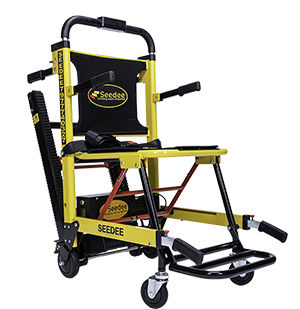
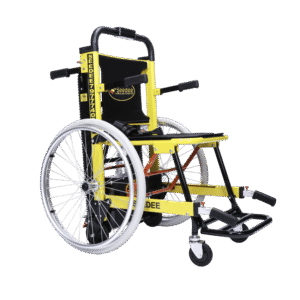
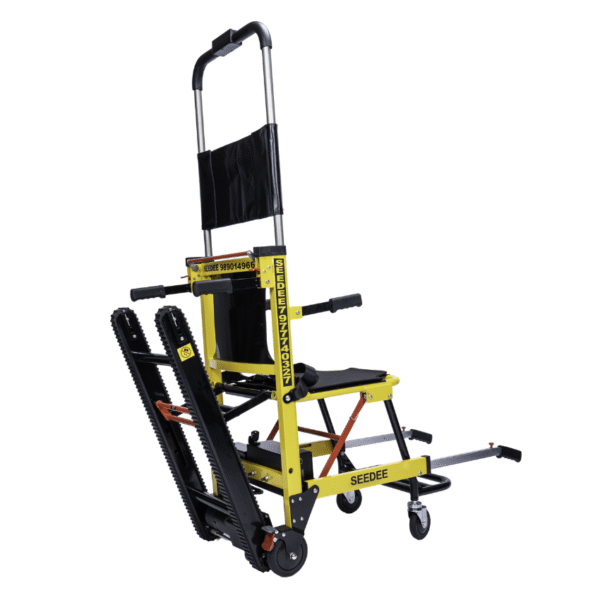
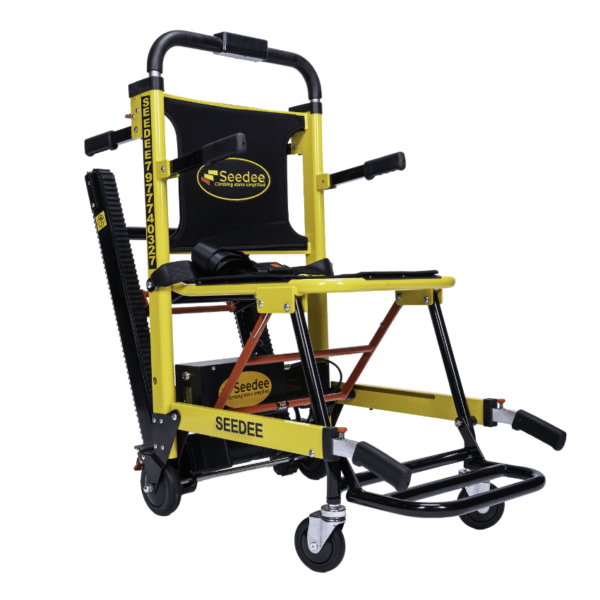
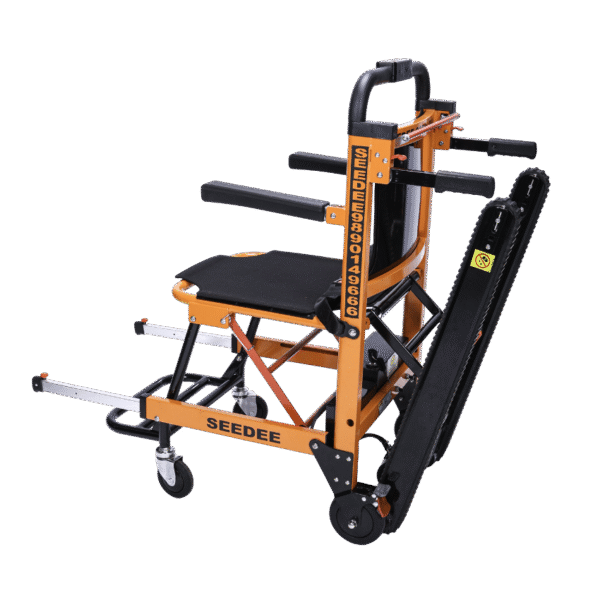
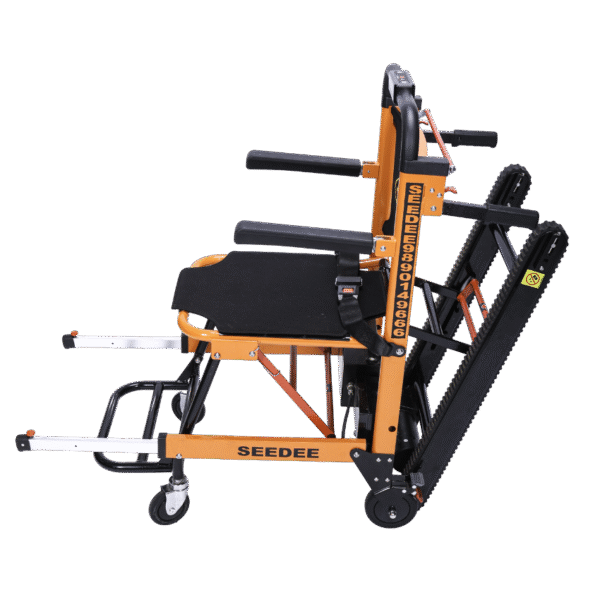
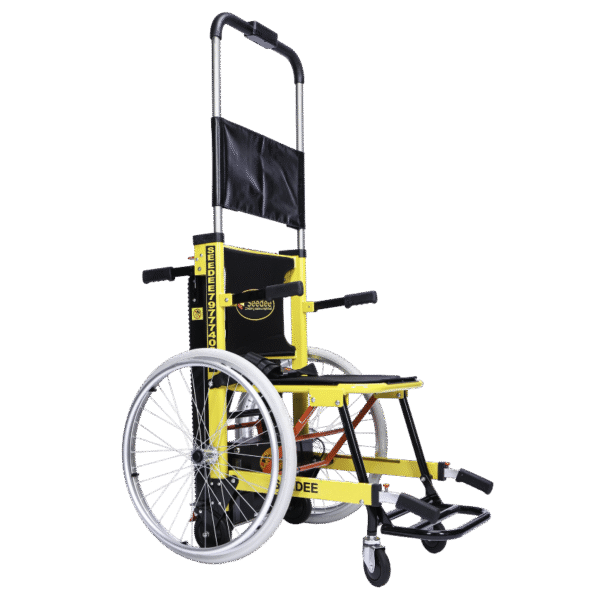
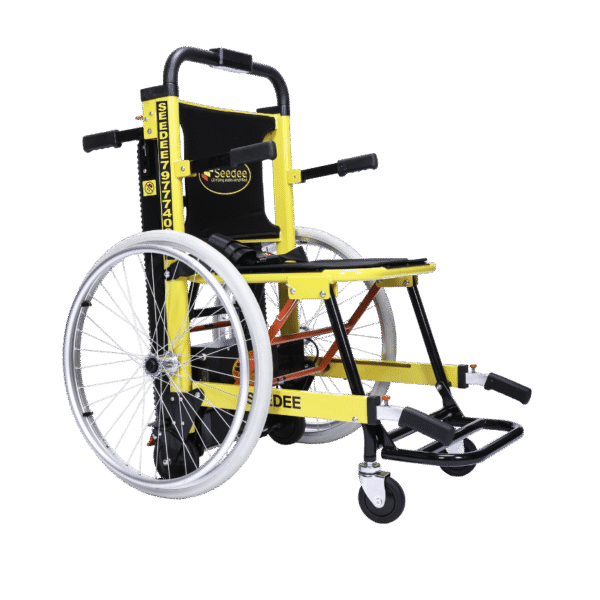
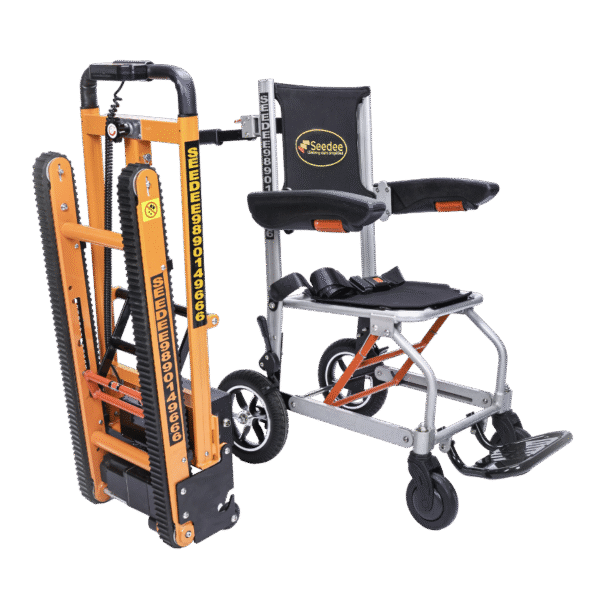
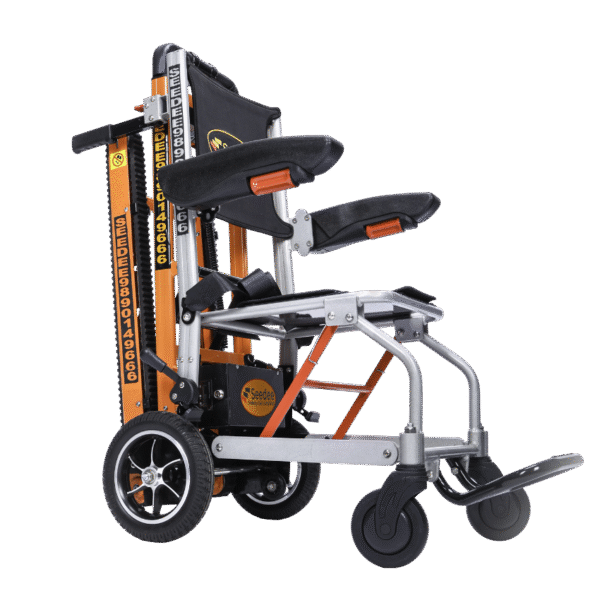
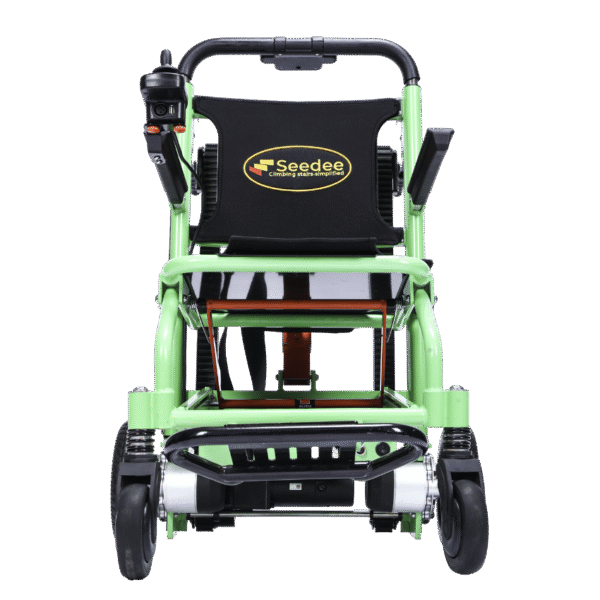
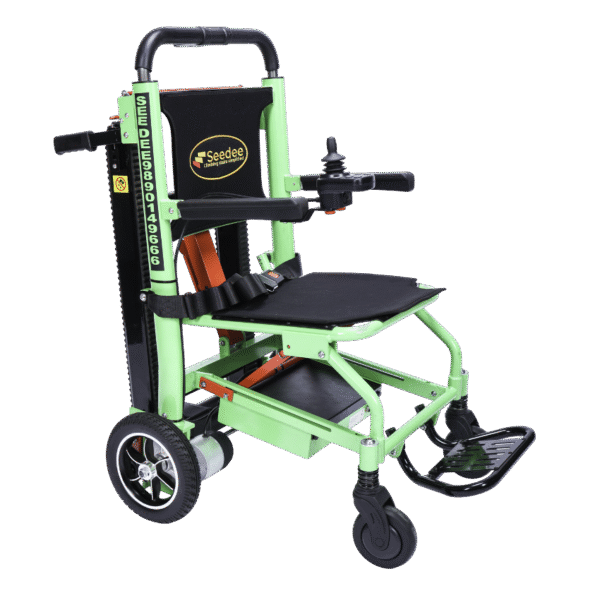
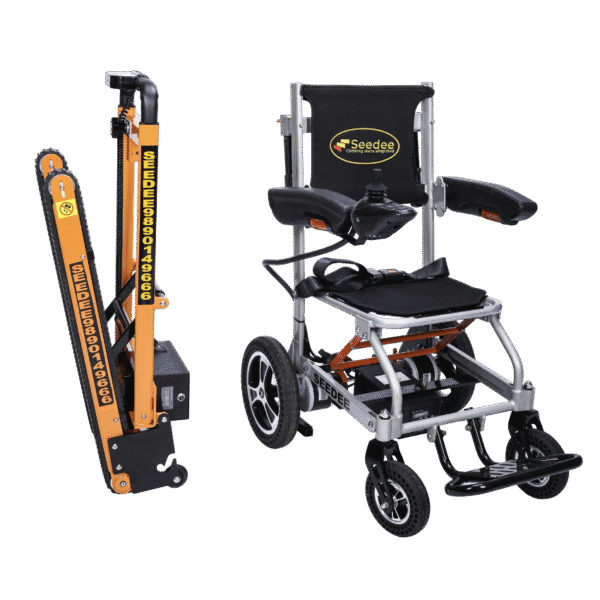
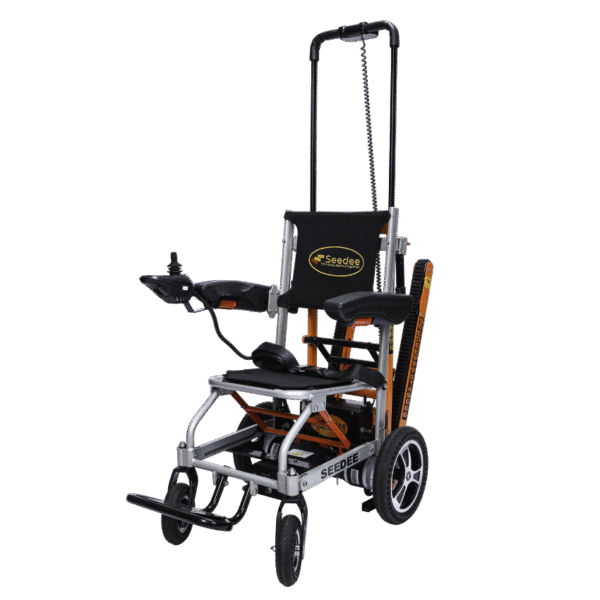
Seedee offers a stair climbing wheelchair for religious places that enables safe and efficient movement across floors without structural changes or manual lifting.
Seedee provides a reliable wheelchair solution for religious institutions, ensuring accessibility, safety, and preparedness for both daily visits and emergency situations.
Mobility Challenges in Religious Places
Religious institutions often face the following accessibility challenges:
Multi-floor temple, mosque, church, or gurudwara structures
Elderly devotees or visitors with mobility limitations
Large crowds during religious events or prayer times
Limited or no elevator access in older buildings
Emergency evacuation needs for individuals who cannot walk independently
A dedicated wheelchair for stairs for religious places helps ensure that every devotee can access spiritual spaces safely and comfortably.
Why Conventional Wheelchairs Are Not Enough
Standard wheelchairs:
Cannot navigate staircases
Require multiple people to carry the wheelchair
Increase risk of injury during manual lifting
Create full dependence on elevators
Are unsuitable for emergency evacuation situations
Religious places need a stair climbing wheelchair that allows safe and controlled stair movement while maintaining dignity and safety for visitors.
Seedee Stair Climbing Wheelchair for Religious Places
Seedee stair climbing wheelchairs are designed to meet the accessibility and safety needs of religious institutions. They allow smooth and controlled movement on staircases without physical strain, making them ideal for assisting devotees safely between different levels.
This makes Seedee an effective wheelchair for stairs for religious places, supporting accessibility and safety for all visitors.
Assisting elderly devotees or visitors with mobility challenge
Providing accessibility in multi-floor temples, churches, mosques, or gurudwaras
Supporting devotees during large gatherings and religious events
Providing mobility support when elevators are unavailable
Helping with safe evacuation during emergency situations
Frequently Asked Questions
Q. How can religious places make upper floors accessible to wheelchair users?
A stair climbing wheelchair can provide supervised access to prayer halls, worship areas, community spaces, or other floors where stairs are the primary route and permanent accessibility infrastructure is limited.
Q. Can it help elderly devotees access areas reached by stairs?
It may assist elderly visitors who use wheelchairs or cannot safely climb stairs. Staff should assess the person’s ability to remain safely positioned throughout the transfer.
Q. Is it useful for religious buildings with historic structures?
Potentially. A portable stair-climbing solution may be considered where permanent structural modifications are difficult or restricted, although the facility must verify compatibility with its staircase and operating environment.
Q. Can temples, mosques, churches, or other religious facilities use it during crowded occasions?
It can be part of an accessibility plan, but operators should establish controlled transfer procedures and avoid using stair equipment in congested conditions where safe operation cannot be maintained.
Q. What should religious facilities consider before introducing one?
They should evaluate staircase design, visitor volume, staff availability, equipment storage, user weight requirements, operating procedures, and emergency accessibility needs.
We use cookies on our website to give you the most relevant experience by remembering your preferences and repeat visits. By clicking “Accept All”, you consent to the use of ALL the cookies. However, you may visit "Cookie Settings" to provide a controlled consent.
This website uses cookies to improve your experience while you navigate through the website. Out of these, the cookies that are categorized as necessary are stored on your browser as they are essential for the working of basic functionalities of the website. We also use third-party cookies that help us analyze and understand how you use this website. These cookies will be stored in your browser only with your consent. You also have the option to opt-out of these cookies. But opting out of some of these cookies may affect your browsing experience.
Necessary cookies are absolutely essential for the website to function properly. These cookies ensure basic functionalities and security features of the website, anonymously.
Cookie
Duration
Description
cookielawinfo-checkbox-analytics
11 months
This cookie is set by GDPR Cookie Consent plugin. The cookie is used to store the user consent for the cookies in the category "Analytics".
cookielawinfo-checkbox-functional
11 months
The cookie is set by GDPR cookie consent to record the user consent for the cookies in the category "Functional".
cookielawinfo-checkbox-necessary
11 months
This cookie is set by GDPR Cookie Consent plugin. The cookies is used to store the user consent for the cookies in the category "Necessary".
cookielawinfo-checkbox-others
11 months
This cookie is set by GDPR Cookie Consent plugin. The cookie is used to store the user consent for the cookies in the category "Other.
cookielawinfo-checkbox-performance
11 months
This cookie is set by GDPR Cookie Consent plugin. The cookie is used to store the user consent for the cookies in the category "Performance".
viewed_cookie_policy
11 months
The cookie is set by the GDPR Cookie Consent plugin and is used to store whether or not user has consented to the use of cookies. It does not store any personal data.
Functional cookies help to perform certain functionalities like sharing the content of the website on social media platforms, collect feedbacks, and other third-party features.
Performance cookies are used to understand and analyze the key performance indexes of the website which helps in delivering a better user experience for the visitors.
Analytical cookies are used to understand how visitors interact with the website. These cookies help provide information on metrics the number of visitors, bounce rate, traffic source, etc.
Advertisement cookies are used to provide visitors with relevant ads and marketing campaigns. These cookies track visitors across websites and collect information to provide customized ads.