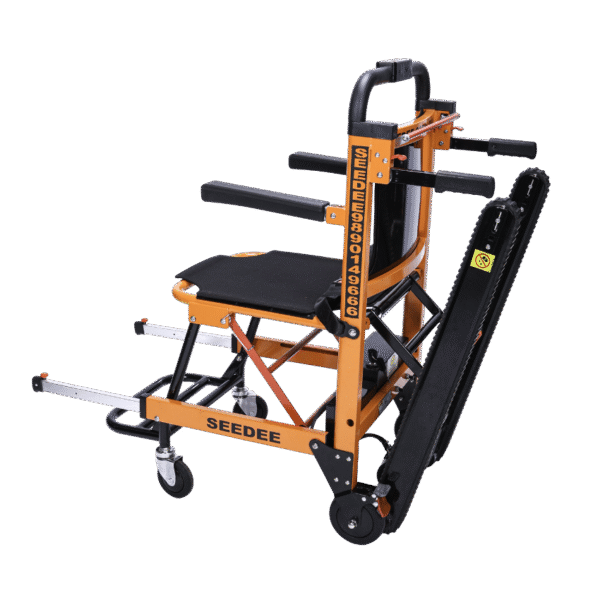
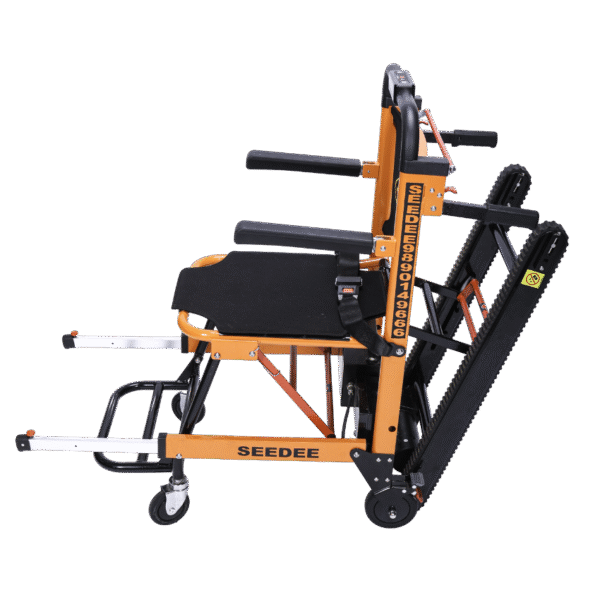
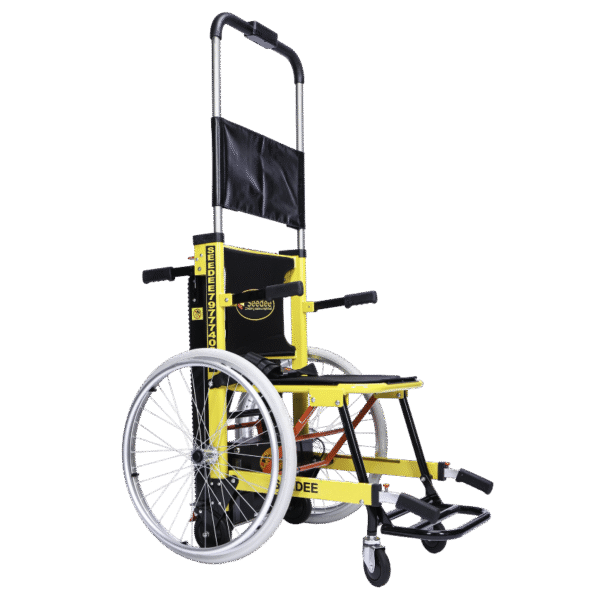
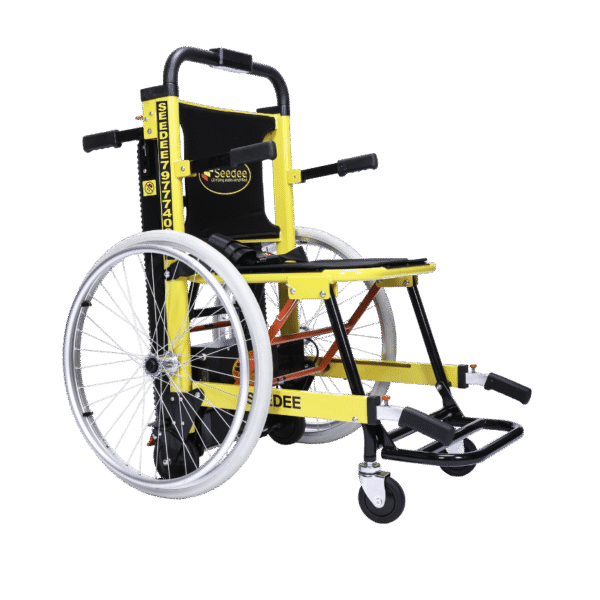
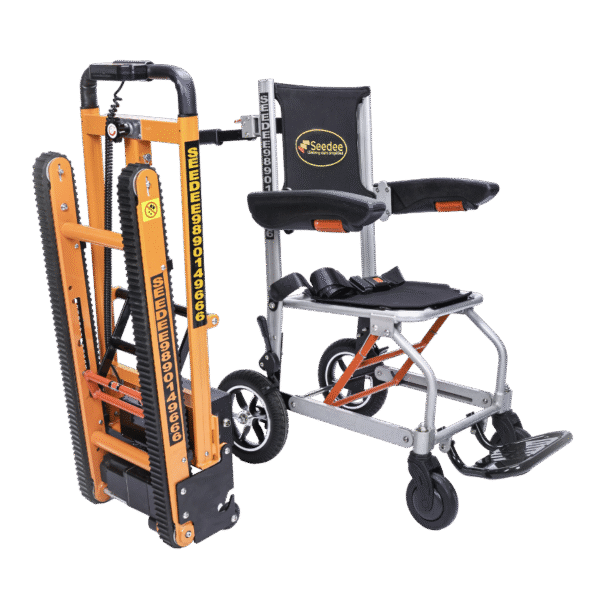
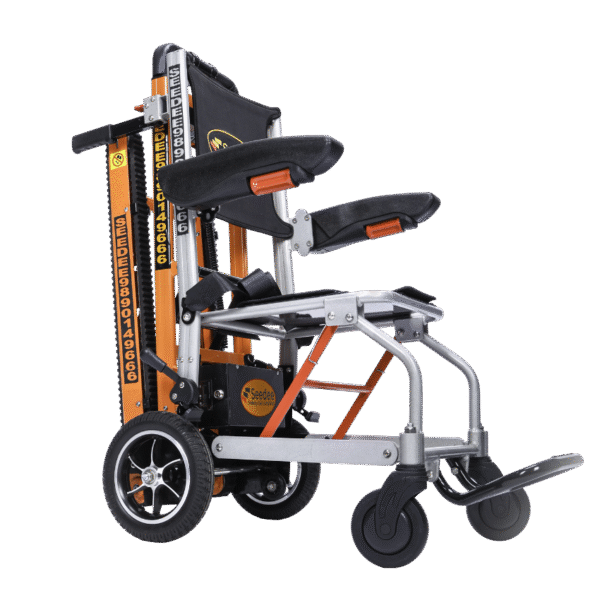
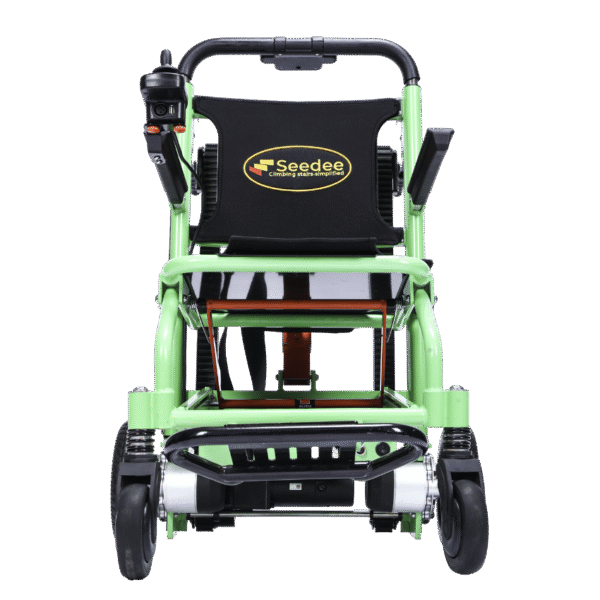
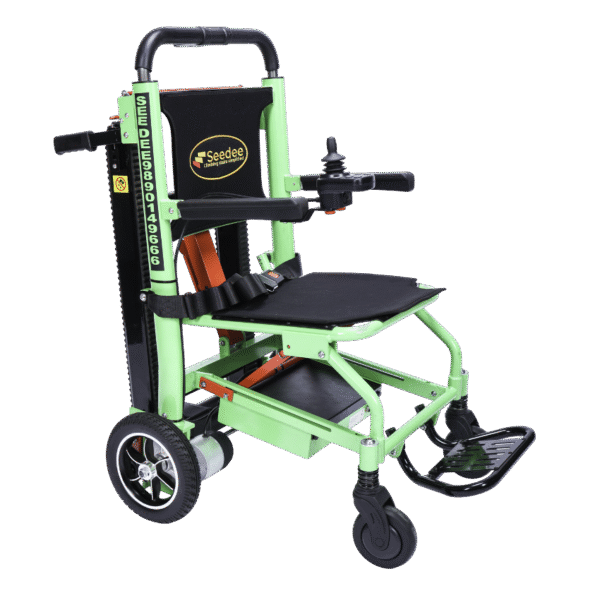
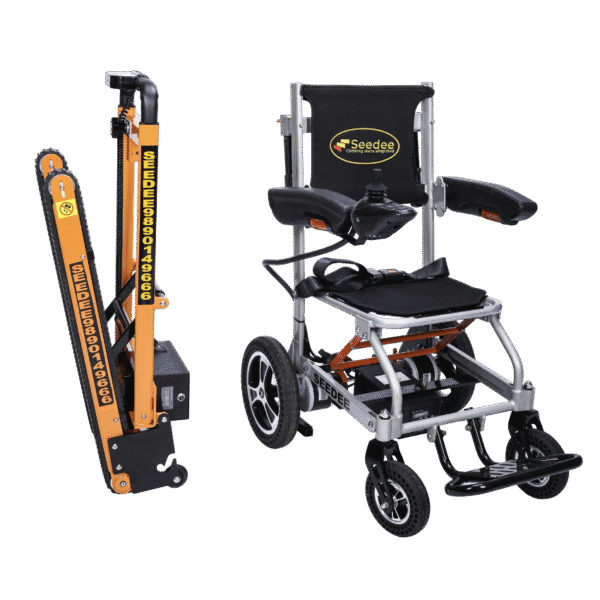
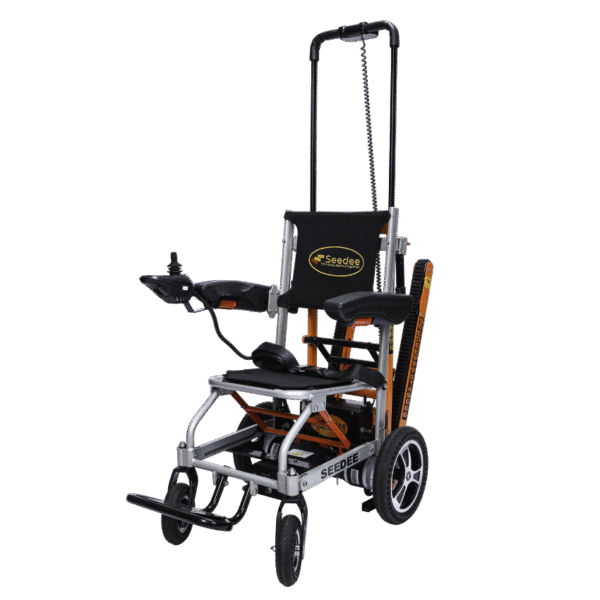
Stair Climbing Wheelchair for Fire & Emergency Evacuation
During fire emergencies, power failures, or building evacuations, elevators are typically shut down for safety reasons. This creates a major challenge for evacuating individuals who cannot use stairs independently. Hospitals, offices, hotels, and public buildings must have reliable evacuation solutions to ensure the safe movement of non-ambulatory individuals.
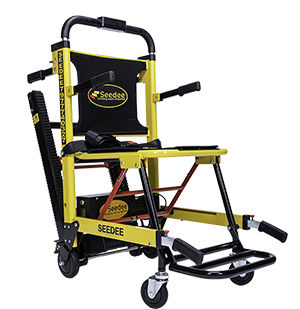
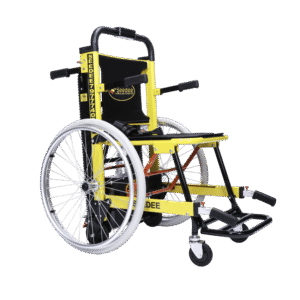
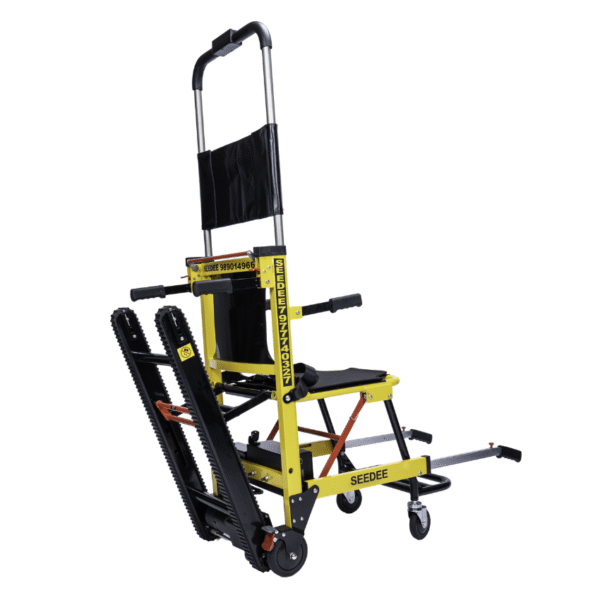
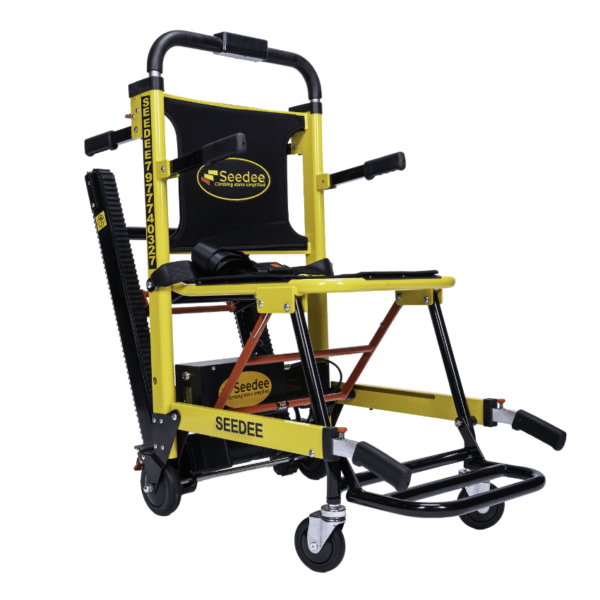
Seedeeoffers a stair climbing wheelchair designed specifically for fire and emergency evacuation. It enables safe and controlled evacuation via staircases without requiring manual lifting or permanent installations.
Seedee provides a dependable emergency evacuation wheelchair that helps organizations maintain safety compliance and protect occupants during critical situations.
Emergency Evacuation Challenges in Multi-Floor Buildings
Buildings commonly face the following challenges during emergencies:
Elevators automatically shut down during fire alarms
Limited evacuation options for wheelchair users or injured individuals
High risk when carrying patients or occupants down stairs manually
Delays in evacuation due to lack of specialized mobility equipment
Safety concerns for both occupants and rescue personnel
A dedicated stair evacuation wheelchair is essential for safe and efficient emergency response.
Why Standard Wheelchairs Are Not Suitable for Emergencies
Traditional wheelchairs:
Cannot be used on staircases
Require multiple people to lift and carry
Increase the risk of slips, falls, and injuries
Slow down evacuation procedures
Are not designed for controlled stair descent
Emergency situations require a specialized stair climbing wheelchair designed for evacuation scenarios.
Seedee Stair Climbing Wheelchair for Emergency Use
Seedee stair climbing wheelchairs are engineered to ensure stability, safety, and control during emergency evacuations. They allow responders or trained staff to move individuals safely down staircases without excessive physical effort.
This makes Seedee an effective wheelchair for stairs during fire and emergency evacuation, suitable for buildings where rapid and safe evacuation is critical.
Power outage situations where elevators stop working
Evacuation of injured or disabled individuals
Hospitals, offices, hotels, airports, and public buildings
Safety preparedness and evacuation drills
Frequently Asked Questions
How can a stair climbing wheelchair assist during an emergency evacuation?
It can help trained personnel move a suitable wheelchair user down stairs when elevators cannot be used during an emergency. Its use should follow the facility’s established evacuation procedures and risk assessment.
Can it be used when elevators are disabled during a fire?
Elevators are generally not relied upon during fire evacuation unless specifically designed and designated for that purpose. A stair-climbing evacuation device can provide an alternative route where its use is appropriate and trained personnel are available.
What makes stair evacuation different from normal wheelchair movement?
Emergency evacuation requires faster coordination, designated routes, trained operators, communication procedures, and consideration of smoke, congestion, fire doors, and other hazards. Equipment alone does not provide a complete evacuation solution.
Who should operate a stair climbing wheelchair during an emergency?
Only personnel who have been appropriately trained and are authorized under the facility’s emergency plan should operate it. Regular drills can help staff understand their responsibilities.
How often should organizations practice wheelchair evacuation procedures?
Organizations should follow their applicable fire-safety and emergency-management requirements and conduct appropriate drills or training. The stair-climbing equipment should be included in relevant exercises where practical.
We use cookies on our website to give you the most relevant experience by remembering your preferences and repeat visits. By clicking “Accept All”, you consent to the use of ALL the cookies. However, you may visit "Cookie Settings" to provide a controlled consent.
This website uses cookies to improve your experience while you navigate through the website. Out of these, the cookies that are categorized as necessary are stored on your browser as they are essential for the working of basic functionalities of the website. We also use third-party cookies that help us analyze and understand how you use this website. These cookies will be stored in your browser only with your consent. You also have the option to opt-out of these cookies. But opting out of some of these cookies may affect your browsing experience.
Necessary cookies are absolutely essential for the website to function properly. These cookies ensure basic functionalities and security features of the website, anonymously.
Cookie
Duration
Description
cookielawinfo-checkbox-analytics
11 months
This cookie is set by GDPR Cookie Consent plugin. The cookie is used to store the user consent for the cookies in the category "Analytics".
cookielawinfo-checkbox-functional
11 months
The cookie is set by GDPR cookie consent to record the user consent for the cookies in the category "Functional".
cookielawinfo-checkbox-necessary
11 months
This cookie is set by GDPR Cookie Consent plugin. The cookies is used to store the user consent for the cookies in the category "Necessary".
cookielawinfo-checkbox-others
11 months
This cookie is set by GDPR Cookie Consent plugin. The cookie is used to store the user consent for the cookies in the category "Other.
cookielawinfo-checkbox-performance
11 months
This cookie is set by GDPR Cookie Consent plugin. The cookie is used to store the user consent for the cookies in the category "Performance".
viewed_cookie_policy
11 months
The cookie is set by the GDPR Cookie Consent plugin and is used to store whether or not user has consented to the use of cookies. It does not store any personal data.
Functional cookies help to perform certain functionalities like sharing the content of the website on social media platforms, collect feedbacks, and other third-party features.
Performance cookies are used to understand and analyze the key performance indexes of the website which helps in delivering a better user experience for the visitors.
Analytical cookies are used to understand how visitors interact with the website. These cookies help provide information on metrics the number of visitors, bounce rate, traffic source, etc.
Advertisement cookies are used to provide visitors with relevant ads and marketing campaigns. These cookies track visitors across websites and collect information to provide customized ads.