

Fire safety is crucial for corporate environments in India. It ensures the safety of employees and assets.Understanding fire safety norms in India is essential for businesses. These norms are designed to prevent fire hazards and ensure quick response.
The National Building Code of India, part 4 Fire and Life Safety, provides comprehensive guidelines. It outlines the necessary measures for fire prevention and control.
Compliance with fire safety regulations is not just a legal requirement. It is a moral obligation to protect lives and property.
Incorporating evacuation chairs and regular fire drills can enhance safety. These practices ensure preparedness in case of emergencies.
Understanding Fire Safety Regulations in India
Fire safety regulations in India are comprehensive. They are guided by various laws and standards. The National Building Code of India is a cornerstone. It specifies the fire safety norms for different buildings.
Corporates must comply with these norms to ensure fire safety compliance. This involves implementing various safety measures.
Key elements of the regulations include:
- Installation of fire alarms
- Provision for fire exits
- Regular fire drills
- Maintenance of firefighting equipment
Corporates must understand and implement these elements effectively. Non-compliance can lead to severe penalties and endanger lives.But, merely understanding the regulations is not enough. Regular training on fire safety norms in India is crucial. This ensures that employees are aware and prepared.
Investing in training and safety equipment benefits everyone. Employees feel secure, and businesses avoid potential disasters.
Key Fire Safety Norms for Corporate Offices
Corporate offices must adhere to specific fire safety norms. These regulations ensure the well-being of employees and assets. They also facilitate swift evacuation during emergencies.
Essential fire safety norms include the installation of smoke detectors and alarms. Offices must maintain clear emergency exits and ensure unobstructed access paths. Regular testing and maintenance of fire safety equipment are crucial.
Corporates should implement the following safety measures:
- Install fire extinguishers at visible locations
- Conduct fire drills regularly
- Provide clear signage for emergency routes
Training employees on fire safety is important. They should know how to use fire extinguishers and understand evacuation procedures. This knowledge can save lives in a crisis.Fire-resistant materials can significantly reduce fire risks. Corporations should consider such materials for construction and furnishing. This proactive approach promotes a safer work environment.

Fire Safety Compliance: Steps for Corporates

Fire safety compliance is a continuous process. Corporates must regularly update their safety protocols to meet current regulations. Staying compliant ensures both legal adherence and employee safety.Corporations should appoint a dedicated fire safety officer. This role involves overseeing compliance with fire safety regulations. The officer should coordinate training and maintain all safety equipment.
Key compliance steps include:
- Conducting annual fire safety audits
- Updating fire safety plans as needed
- Ensuring all staff are trained
Documentation plays a crucial role in compliance. Corporates must keep detailed records of safety inspections and training sessions. These records can be essential during audits or inspections. By ensuring fire safety compliance, companies prioritise their most valuable assets: people and property.
Importance of Evacuation Chairs and Accessibility
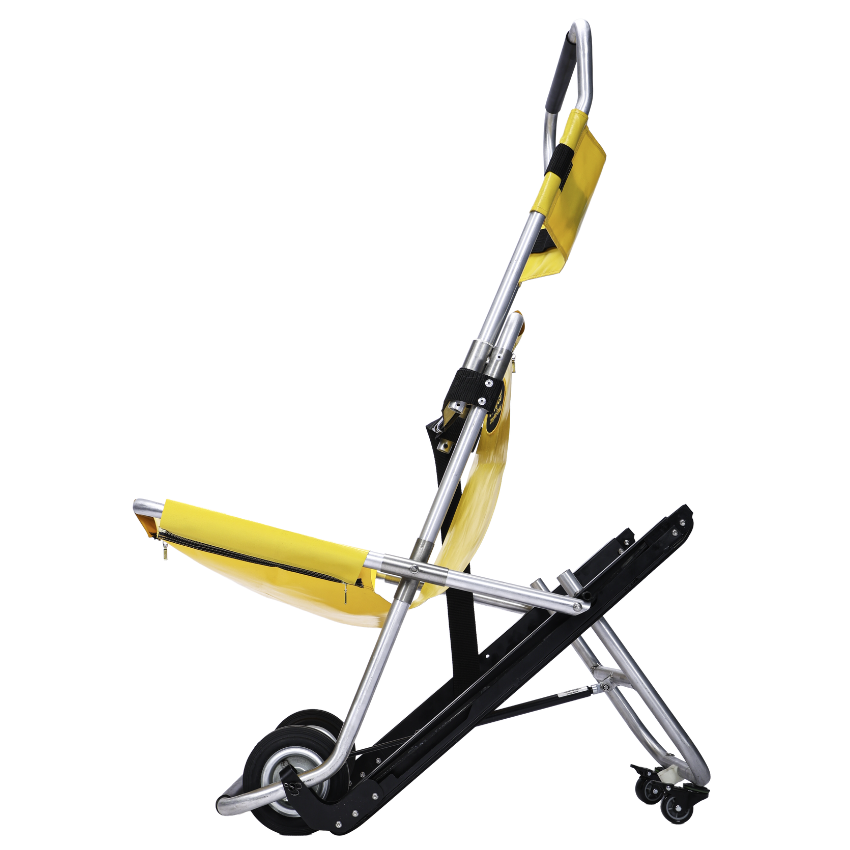
In emergencies, swift evacuation is critical. Evacuation chairs are vital tools for moving individuals with mobility issues. They ensure everyone can exit a building safely. Accessibility planning means everyone should have a clear path during evacuations. It also ensures that emergency protocols consider all employee needs.
Evacuation chairs must include:
- Easy to operate in staircases
- Lightweight and durable
- Enhance evacuation speed
Corporates consider investing in evacuation chairs to meet safety standards and wellbeing of the employees. Regular drills to familiarise staff of the usage of evacuation wheelchairs, not only improves safety but also enhances confidence among employees.

Fire Safety Audits and Regular Inspections

Regular audits are essential for maintaining fire safety. They identify potential hazards and ensure compliance with regulations. Audits should be thorough and documented for accountability.
Inspections verify the condition and functionality of firefighting equipment. They ensure systems are operational in emergencies. Consistent inspections are a proactive safety measure.
Key aspects of fire safety audits include:
- Checking alarm systems
- Inspecting fire extinguishers
- Verifying emergency lighting
These practices help corporations reduce fire risks significantly. By being diligent, companies protect lives and property effectively.
Technology and Innovations in Corporate Fire Safety
Modern technology plays a vital role in enhancing fire safety. Smart systems detect fires quickly and accurately. These innovations improve response times significantly.
Advanced fire safety technology includes:
- Smart fire alarms
- Automated suppression systems
- Thermal cameras for detection
Such innovations increase the efficiency of fire prevention measures. They offer corporates reliable tools to manage fire risks effectively. Embracing technology is essential for a safer workplace.

Conclusion: Building a Culture of Fire Safety Compliance
Promoting a culture of fire safety compliance is crucial for every corporate. It requires continuous education and commitment from all employees. Awareness ensures everyone knows their role in an emergency.
Regular training helps inculcate a safety-first mindset. Corporates must prioritise fire safety practices to protect lives and assets. By doing so, they safeguard not only their workplace but also their workforce.